Our gallery in Warsaw Old Town is open daily except holidays from 11.00 to 19.00 and it is our primary place of sale. We also sell in our gallery — after you order, we confirm the item is still available.
Ceramics - porcelain figurines from occupied Japan, 1940s-1950s
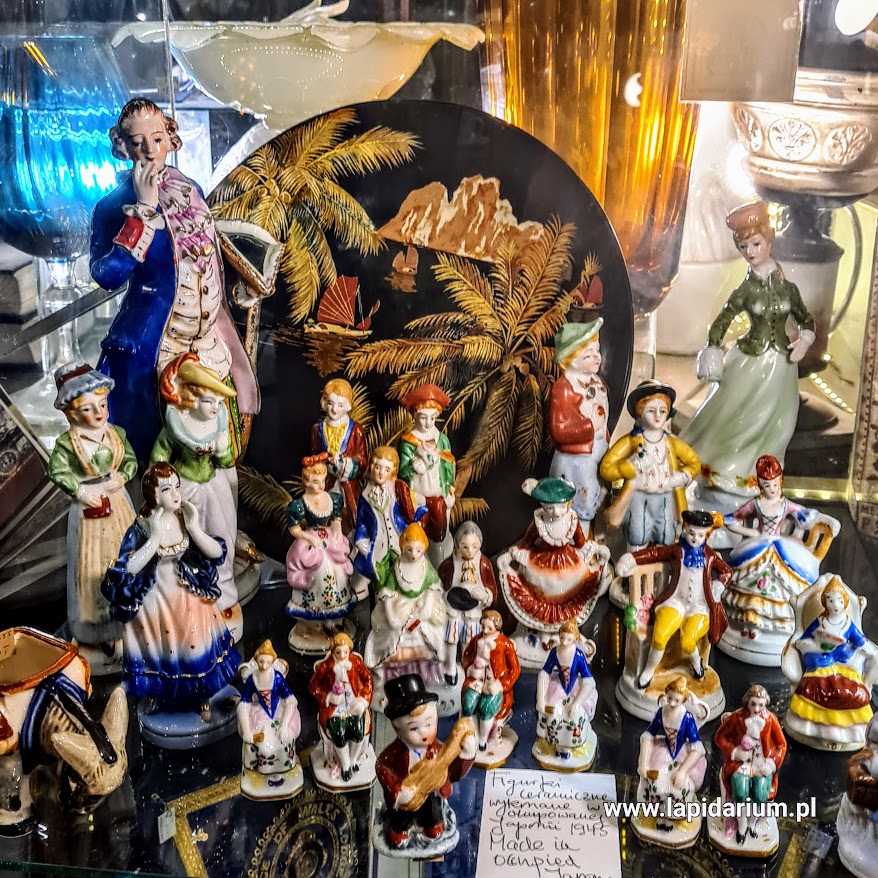
Na sprzedaż unikatowa figurka porcelanowa z okresu okupacji Japonii (lata 1945-1952), oznaczona oryginalnym stempelkiem/naklejką "MADE IN OCCUPIED JAPAN". Ten kolekcjonerski przedmiot stanowi fascynujący artefakt historyczny z powojennego okresu. Pojemnik - Japonka .ok 13 cm
Figurka, reprezentująca typową dla tamtego czasu tematykę pamiątkową (gejsze, postacie kobiece, zwierzęta), była produkowana masowo na eksport i dla stacjonujących żołnierzy alianckich. Jest charakterystycznym przykładem japońskiego rzemiosła powojennego, mającego na celu zdobycie dewiz dla odbudowującej się gospodarki.
Stan:bardzo dobry. Wymiary: 13 cm] Oznaczenie: Czytelny napis "MADE IN OCCUPIED JAPAN" na spodzie wytłoczony.. To propozycja dla kolekcjonerów historycznych pamiątek, antyków z XX wieku oraz miłośników kultury japońskiej. Wartość opiera się przede wszystkim na autentyczności i wartości historycznej jako materialnego świadectwa epoki. UWAGA , POSIADAMY DUZY WYBÓR PODOBNYCH FIGUREK .
Ships within: 72 hours
This is a very specific and interesting collector's topic. Here is what I know about porcelain figurines from occupied Japan (period 1945–1952):
1. Historical context
After Japan's defeat in World War II (September 2, 1945), the country came under Allied military administration, headed by General Douglas MacArthur. The occupation lasted until 1952. It was a period of profound social and economic change.
2. Characteristics of the figurines
-
Material: Often lower quality porcelain than before the war (lack of raw materials, damaged kilns), sometimes lower-grade ivory or composites.
-
Themes: Predominantly motifs designed to appeal to Allied soldiers (mainly American) stationed in Japan:
-
Geishas and "girls" in traditional kimonos (often in an idealized, "exotic" manner).
-
Female figures in two-piece swimsuits (so-called "Occupied Japan figurines" – very characteristic).
-
Children (e.g., with dolls, in traditional costumes).
-
Animals (dogs, cats, birds).
-
Historical figures/samurai (less common).
-
-
Style: Often naive, sentimental, commercial, mass-produced for export or as souvenirs for soldiers. Colors often bright, decorations simple.
-
Mark: A key element is the sticker or stamp on the bottom with the inscription "MADE IN OCCUPIED JAPAN" or "OCCUPIED JAPAN". This is the main indicator of this period. Sometimes next to the company name (e.g., "Noritake", "Lefton", but many small, anonymous workshops).
3. Production purpose and significance
-
Source of foreign currency: The export of these cheap souvenirs was an important source of income in US dollars for devastated Japan.
-
Souvenirs for soldiers: Soldiers bought them as souvenirs for families at home – hence the "sweet", non-controversial themes.
-
Reviving industry: This was one of the first steps in rebuilding Japanese exports and craftsmanship.